
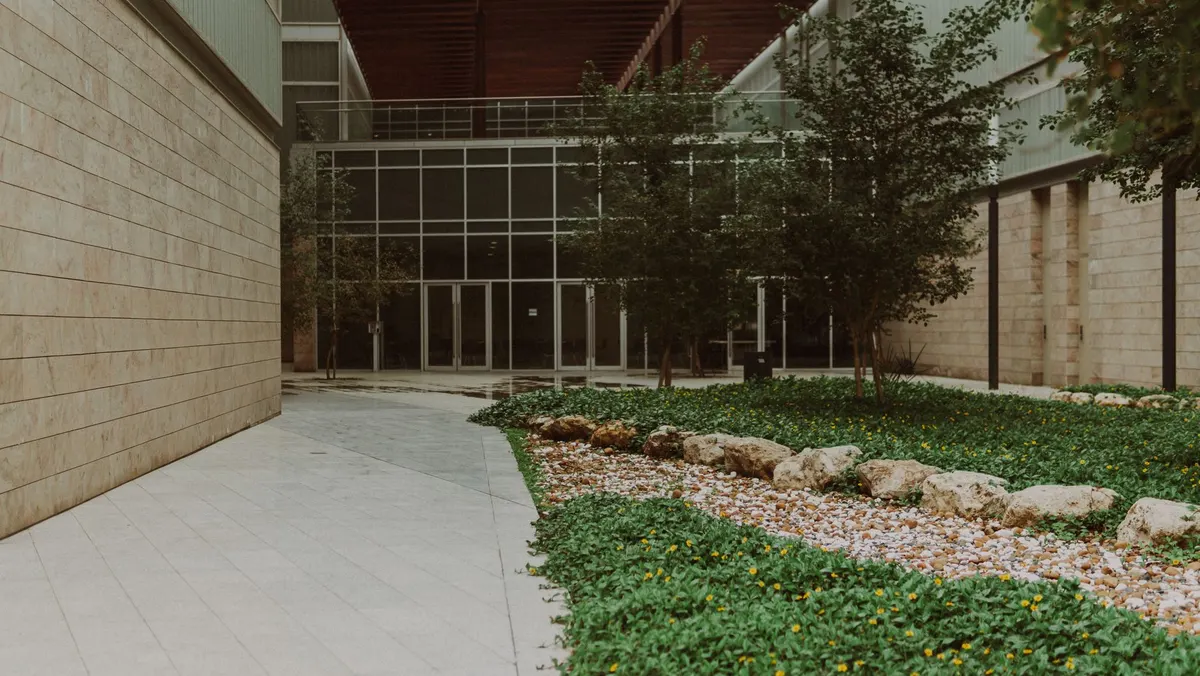
Concrete Walkway Contractor in Hendersonville, TN
Narrow poured walkways and sidewalks, about 5 to 8 feet wide and as long as the job needs.
Concrete walkways, built on a proper base
A concrete walkway looks like a simple slab, but how long it lasts comes down to what is underneath it. The ground has to be graded and compacted, the base has to drain, the forms have to be set to the right slope so water runs off, and the concrete has to be placed, finished and cured at the right time. Skip any of that and the slab cracks, settles or holds puddles.
Our concrete work is focused on narrow runs: walkways and sidewalks roughly 5 to 8 feet wide, and as long as the job needs, from a short path to a long run across a property. If you need a wide driveway or a large slab, call and we will tell you honestly whether it is a fit for us.
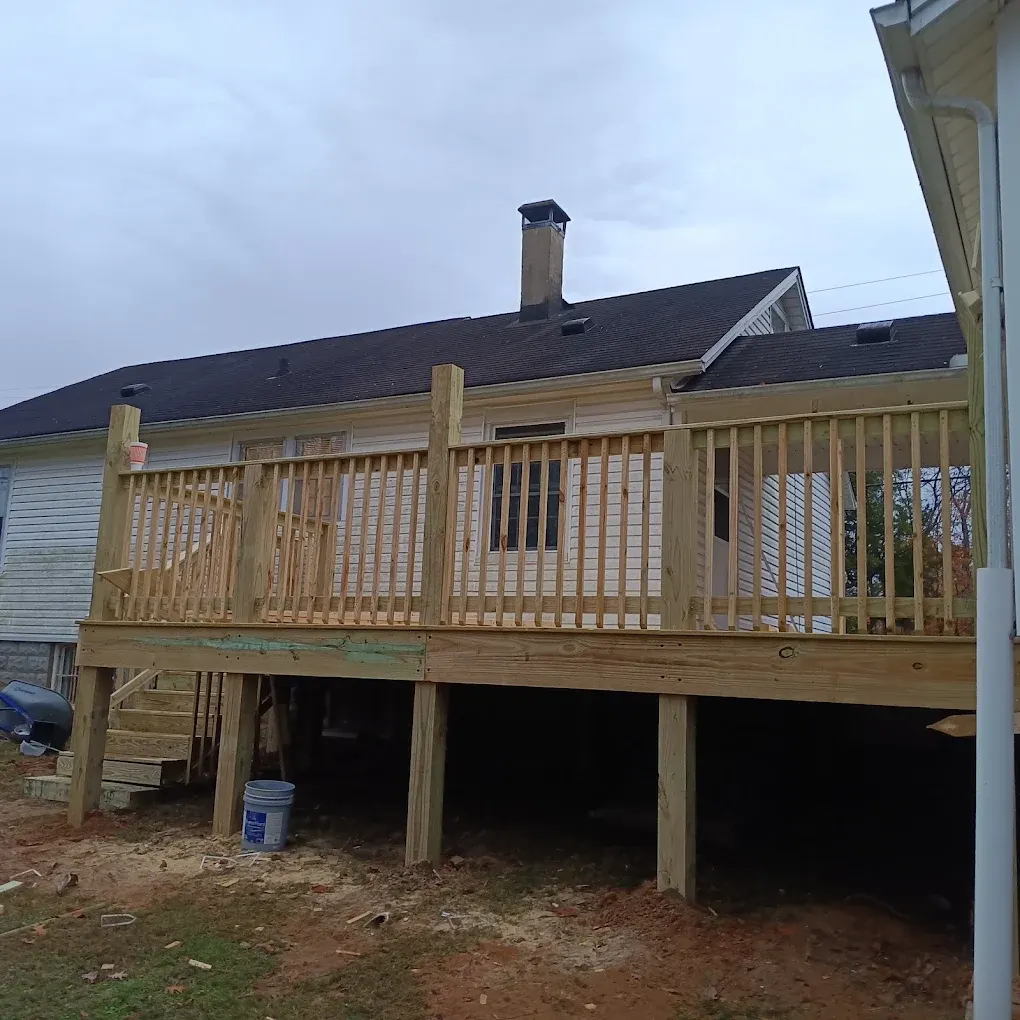
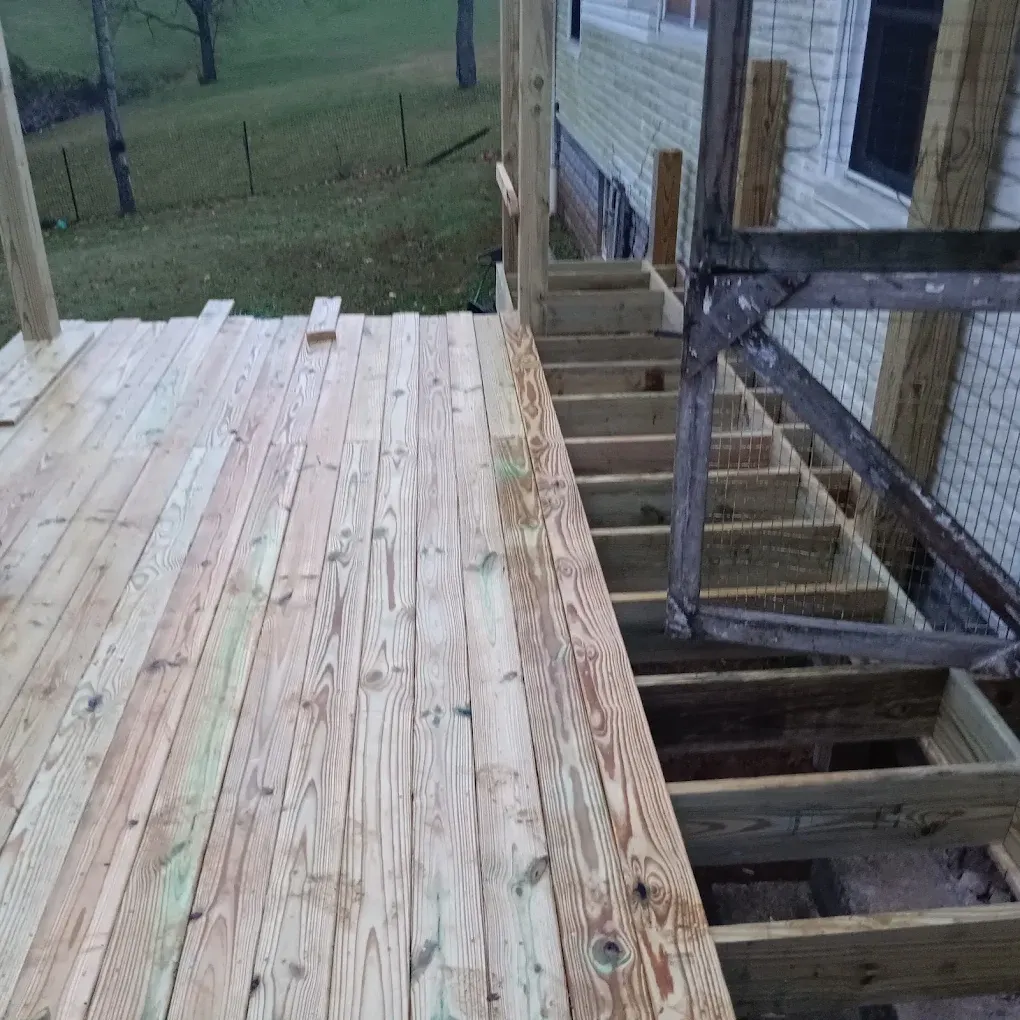
Walkways usually connect something: a front door to the street, a driveway to a back gate, or a path to a new deck or the yard behind a fence. Planning them together keeps levels and drainage working as a system.
When a new concrete walkway makes sense
- A muddy or worn path across the yard that everyone already walks.
- An old sidewalk that is cracked, heaved or a trip hazard.
- A new deck, porch or door that needs a solid connection to the driveway or street.
- A longer run to reach a back gate, shed or the side of the house.
- You want a wider, safer path for strollers, wheelbarrows or mobility needs.
Not sure which category your project falls under?
Call and describe it, or send photos through the quote form. We will tell you plainly what it needs.
How we pour a concrete walkway
- Plan the route and width
We walk the route with you, decide the width and length, check for slope toward the house, and plan where water should go.
- Excavate, grade and compact the base
We remove sod and soft soil and set a graded, compacted base so the slab has something stable to rest on.
- Set forms and reinforcement
Forms define the edges, and wire or rebar goes in where the design calls for it, with slope built in for drainage.
- Pour and finish
Concrete is placed, leveled and floated, then given a finish, commonly a light broom texture for grip.
- Joints, curing and cleanup
Control joints are cut so cracks follow planned lines, the slab is cured, forms are removed and the edges are backfilled.
What affects the cost of a concrete walkway
Walkways are quoted by length and width after we see the site.
Length and width
Concrete and labor scale with the surface area, so a longer or wider run costs more.
Thickness and reinforcement
Heavier use, such as vehicles crossing the path, calls for a thicker, reinforced slab.
Site preparation
Slopes, tree roots, old concrete removal and soft soil add excavation and base work.
Access for equipment
If a concrete truck cannot reach the area, the concrete has to be moved by hand, which takes more labor.
Drainage
Directing water away from the house may require grading changes.
Timing and weather
Pouring in very hot, cold or wet conditions takes extra care and can affect scheduling.
Why homeowners choose us for walkways
Juan does this kind of concrete work regularly and is clear about what he takes on. Walkways and sidewalks are the specialty, and he will say plainly if a job is bigger than that.
We coordinate concrete with the rest of the yard. If you are building a deck, fence or entry at the same time, one crew means the grades, heights and finishes line up.
Where we do this work
We pour walkways and sidewalks in Hendersonville, Gallatin, Old Hickory and nearby areas.
Questions about concrete walkways & sidewalks
How long until I can walk on a new concrete walkway?
Light foot traffic is generally possible after a day or two, and concrete keeps gaining strength for weeks. We tell you how long to keep off it and when to keep vehicles and heavy loads off.
Why do concrete walkways crack?
Concrete shrinks as it cures, and ground movement adds stress. Control joints give cracks a planned place to form so they stay neat and tight. A well-prepared base reduces random cracking.
How thick should a concrete walkway be?
Foot-traffic walkways are commonly poured about 4 inches thick. A path that vehicles will cross needs more. We recommend a thickness based on how you will use it.
Do you pour driveways or large slabs?
Our focus is narrow walkways and sidewalks. For a driveway or a large pad, call and describe it, and we will tell you honestly whether it is a good fit.
Does winter weather matter for pouring concrete?
Yes. Freezing temperatures can ruin fresh concrete, so we avoid pouring when the ground and air are too cold, and we protect the slab while it cures.
Can you connect a walkway to my deck or driveway?
Yes. We match the levels, add the proper joint where the new concrete meets the old and plan the slope so water runs away from the house.
Planning a new walkway or sidewalk?
Tell us the route and rough length. We will give you a free quote.